





EU Support to Serbian Railway

EU investments are used to prepare the project-technical documentation necessary for the commencement of works.
Additionally, Serbia has access to loans under favorable conditions from the European Investment Bank (EIB) and the European Bank for Reconstruction and Development (EBRD).
EU-funded projects in Serbia’s transport sector aim to improve transport connectivity, thereby enhancing economic integration within the region and integration with the EU. The EU’s efforts in the transport sector are largely focused on opening markets and implementing EU standards.
Over the past 11 years, the EU has invested more than €142 million in grants for the modernization of Serbian railways. From 2023 onward, this cooperation continues: the EU and Serbia have jointly announced a €2.2 billion financial package for the modernization of Railway Corridor 10.
The package focuses on upgrading the Belgrade–Niš section of Corridor X, enabling high-speed rail connectivity of up to 200 km/h between the two cities, ensuring faster movement of goods and services, and facilitating the rapid integration of this section into EU rail networks.
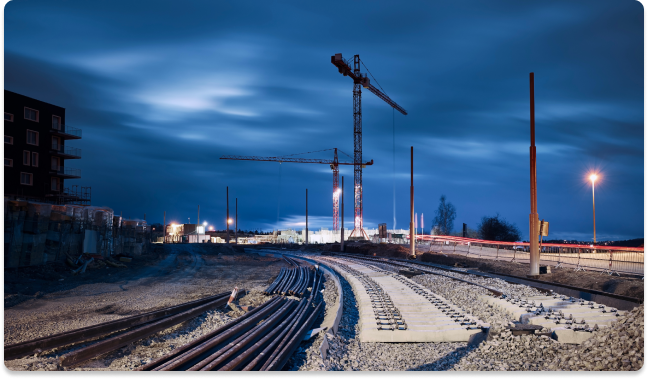
The construction of the Intermodal Terminal in Batajnica, near Belgrade, is also underway, supported by nearly €13 million in EU grants. This project will provide the capital with a modern intermodal terminal – a hub for road and rail transport.
The European Year of Railways is part of the EU’s efforts under the European Green Deal, which aims to transition to a sustainable economy by achieving climate neutrality by 2050.
One of the key elements of this plan is the introduction of cleaner and healthier forms of transport, given that the transport sector accounts for approximately 25% of greenhouse gas emissions in the EU.